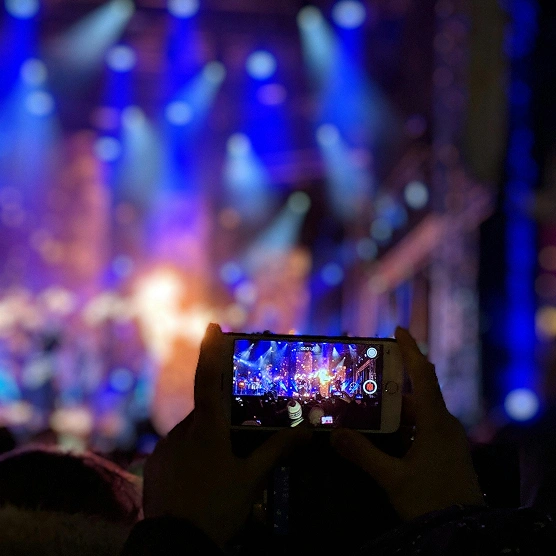
Motion Principles for Digital Products
Motion design in digital products isn't decoration—it's communication. Good animation guides attention, provides feedback, and creates emotional connections. Bad animation just slows things down and annoys users. The difference is understanding purpose.
We follow core principles adapted from traditional animation: ease in and out for natural feel, appropriate duration (200-400ms for most UI transitions), and meaningful direction (buttons that feel pressed, menus that feel opened). These details seem small but they compound into an experience that feels polished versus clunky.
The best motion design is invisible. Users don't notice individual animations; they just feel that the product is responsive and alive. That requires restraint—using motion only where it serves a clear purpose like confirming an action, drawing attention to important changes, or smoothing state transitions.
Performance matters too. Smooth 60fps animations require careful optimization: use transform and opacity for GPU acceleration, avoid animating layout properties, and test on lower-end devices. Beautiful animation that stutters on real hardware isn't beautiful—it's broken.
Ideas That Shape Better Design
Explore insights on creativity, technology, and the future of design.



Let's Connect.

Let's Connect.
Let's Connect.
Let's Connect.