The Future of Creative Teams: Navigating Innovation in the Digital Age
Your designer is in São Paulo, your copywriter is in Auckland, and an AI tool drafted ten headlines before either of them woke up. That is a normal day for a creative team now.
The future of creative teams is less about new software and more about how people, tools and process fit together. Here are the shifts that matter.
Key takeaways
• Hire for talent, not postcode. Shared real-time tools make it work.
• Give AI the volume work. Keep the idea, taste and final call with people.
• Curiosity beats a long skill list.
• Share rough work early and refine in short loops.
• Let data inform decisions, not make them.
Distributed teams: hire talent, not a postcode
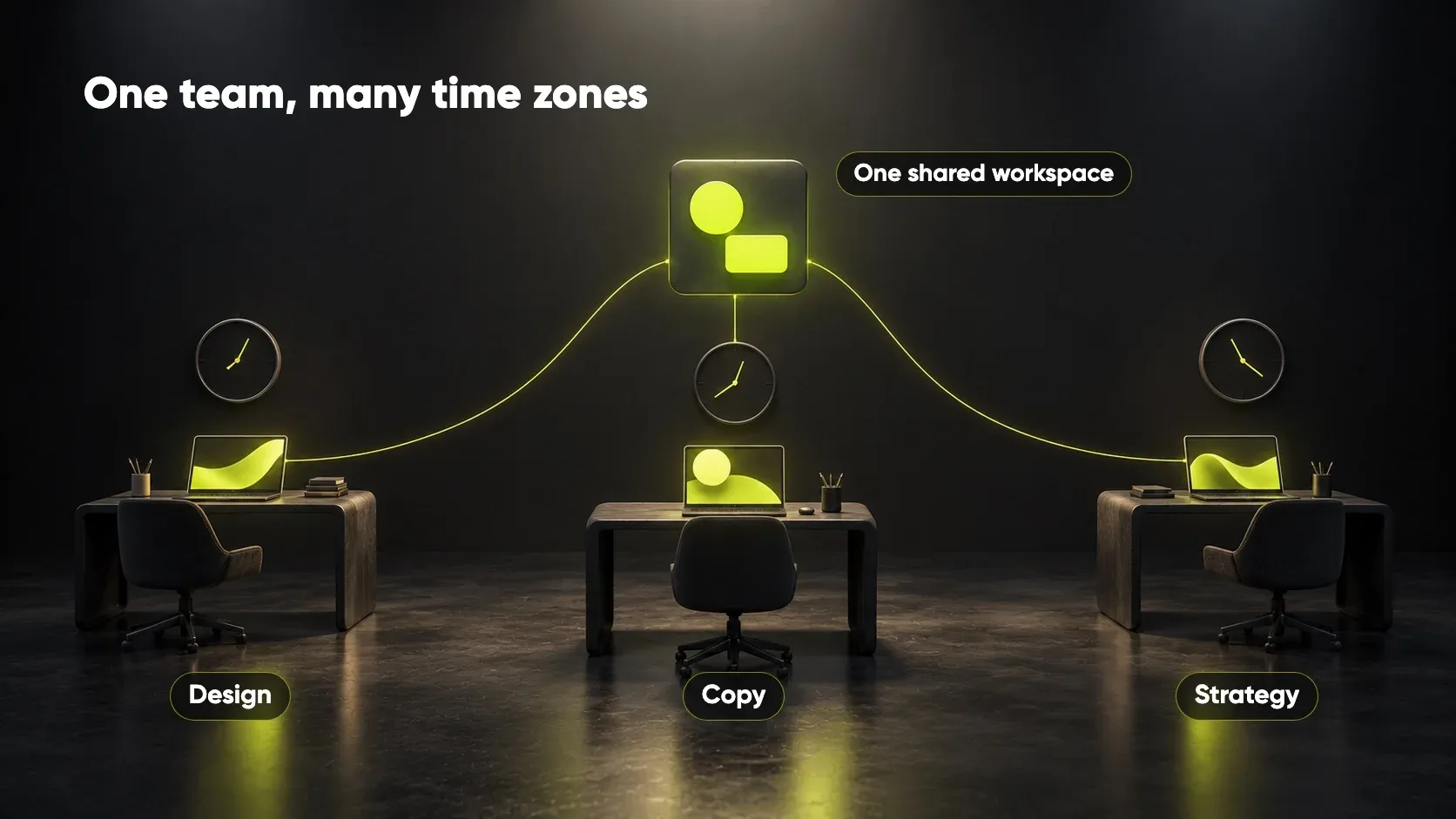
When a team can span São Paulo, Auckland and Brooklyn, you hire the best person, not the nearest one.
Tools such as Figma, Miro and Notion make this work. You watch a teammate's cursor move in real time and jump in mid-thought.
- Keep one shared workspace per project.
- Set a few overlap hours for live reviews; work asynchronously the rest of the time.
- Write decisions down where everyone can see them.
AI as a creative partner, not a replacement
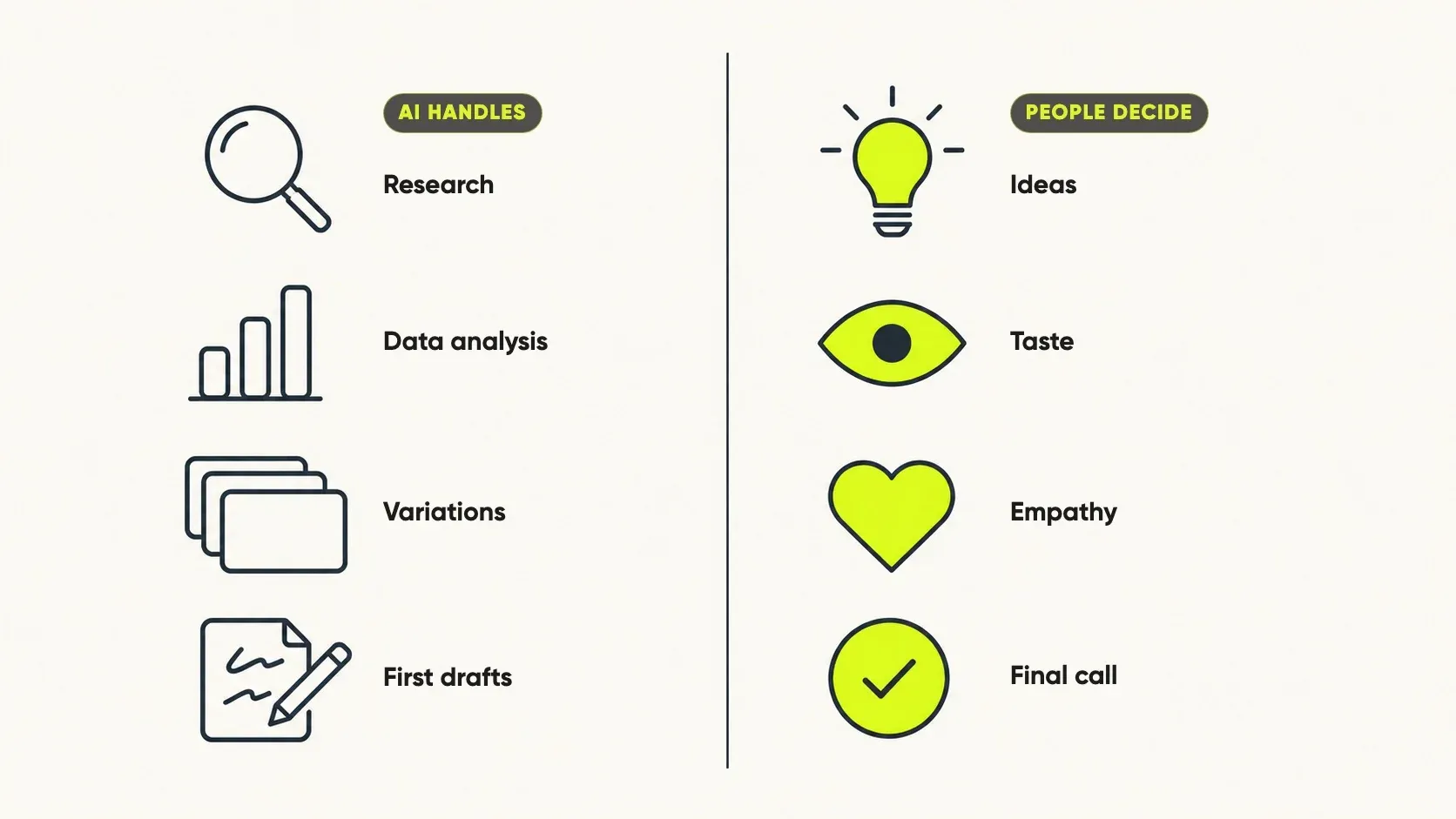
AI acts like a fast junior: good at research, variations and rough drafts, but it still needs a skilled eye.
It cannot feel why a palette is nostalgic, weigh the cultural meaning of a phrase, or sense that a campaign will land. That stays human, because people respond to people.
- Give AI: research, trend scans, variations, first drafts.
- Keep for people: the brief, the big idea, taste, the story and the final call.
More in why the best creative work needs both AI and humans.
The skills creative teams need now
Designers are learning code, writers SEO and analytics, art directors motion and 3D. Nobody can master it all.
The people who thrive stay curious: "I don't know this yet, but I can learn it." As AI takes routine tasks, emotional intelligence and creative thinking are worth more, not less.
Diverse teams break creative ruts
Original ideas come from people with different backgrounds and ways of seeing the world, not just different job titles.
That only pays off if everyone feels safe sharing half-formed ideas. The suggestion someone almost kept quiet is often the breakthrough.
Short feedback loops beat the big reveal
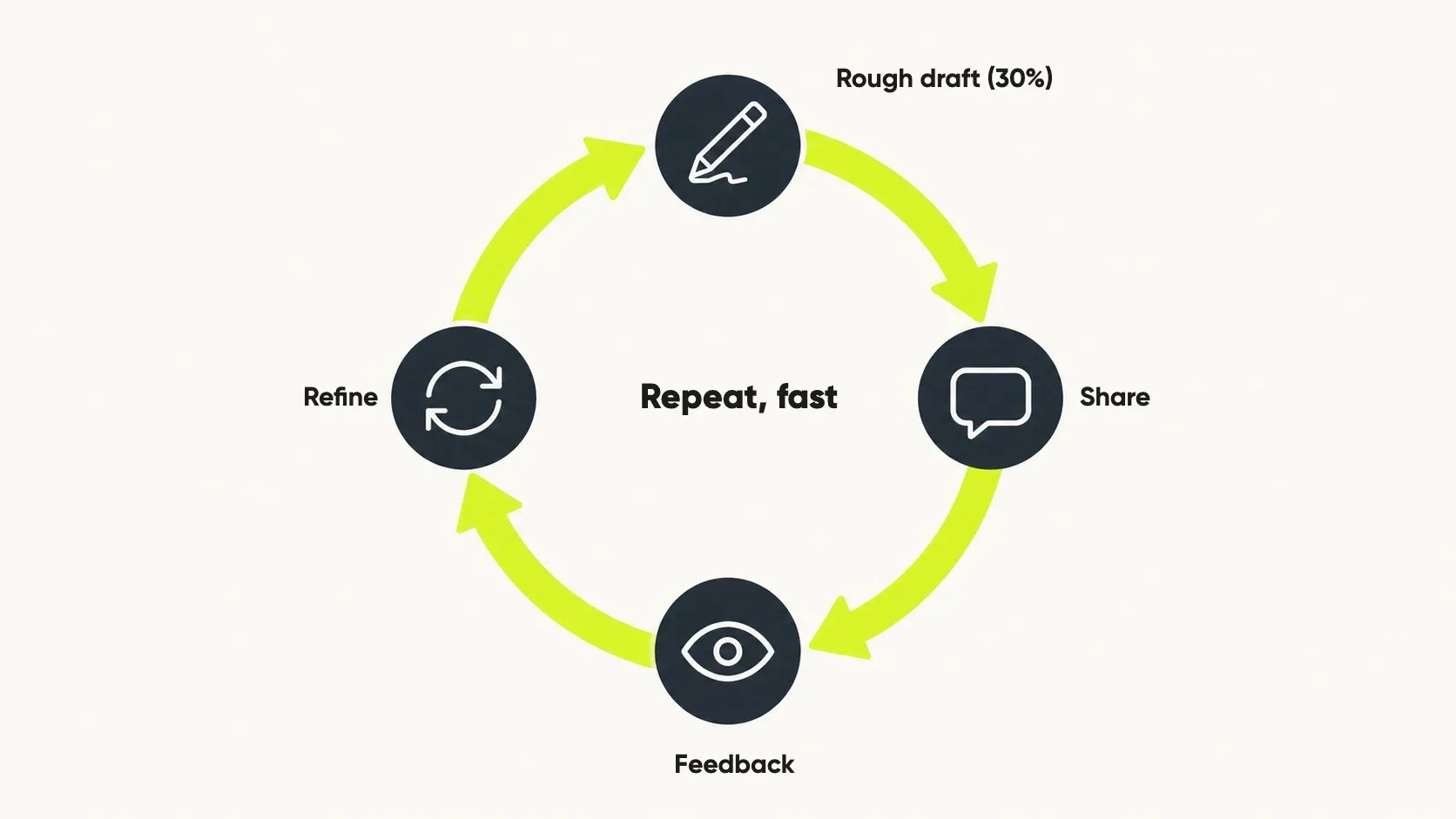
Vanishing for three months to return with a finished campaign now feels dated. Strong teams share rough work early and refine as they go.
Fixed departments are giving way to small project-based groups that form around one challenge, then regroup.
- Show work at 30% done, not 90%.
- Agree who gives feedback, and by when, before work starts.
Data-informed, not data-driven
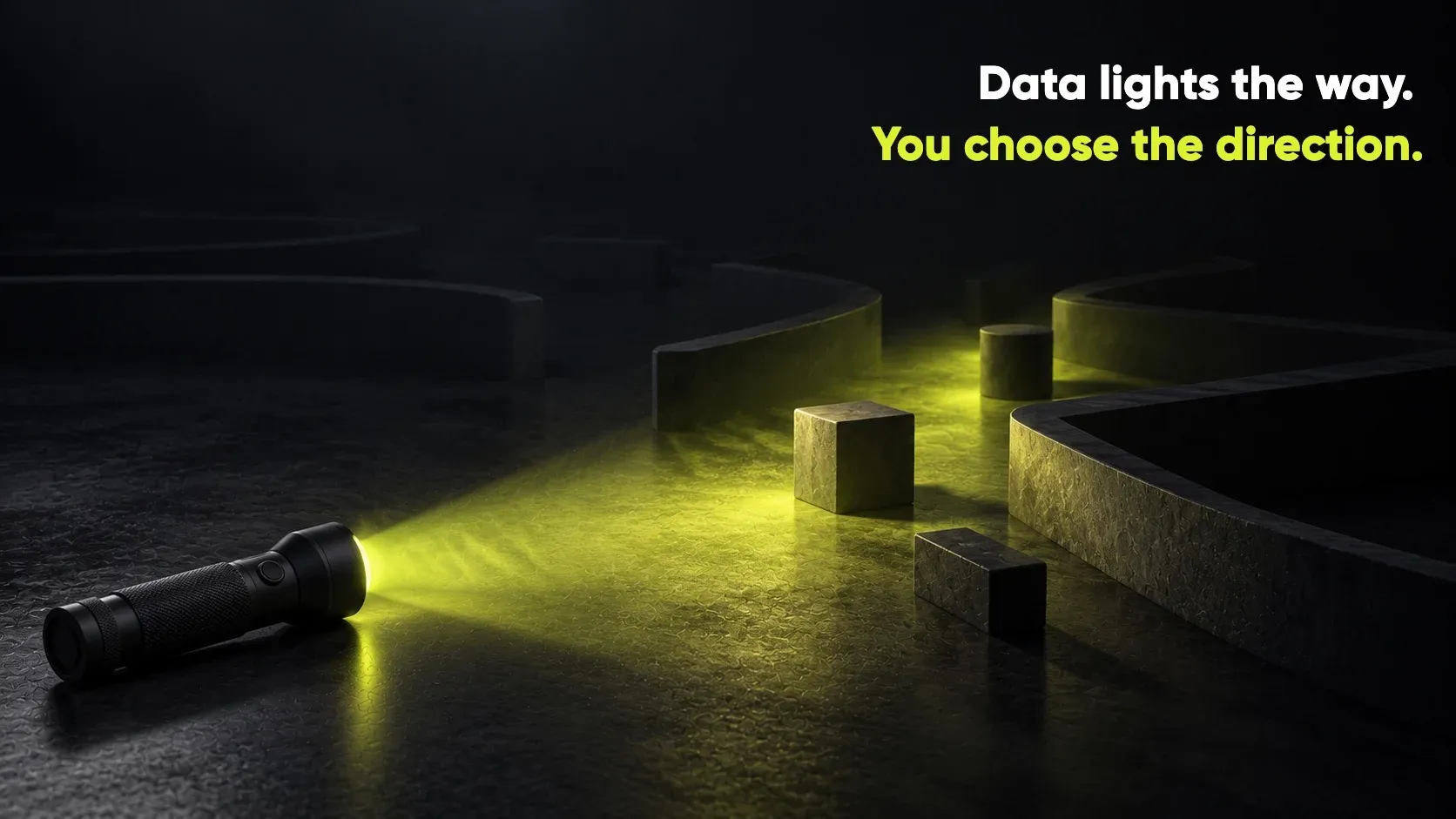
Data shows how people actually behave, not how you assume they do. Treat it like a torch in a dark room: it stops you hitting walls, but it does not choose your direction.
The best creatives respect the numbers, then still make bold calls when instinct says so.
Responsible creativity: accessibility, representation, impact
Audiences notice what your work says and who it leaves out. Responsibility now means accessibility, representation and unintended consequences, not only environmental impact.
Asking "who are we not considering?" early usually makes the work sharper.
Yesterday's creative team vs tomorrow's
| Area | Old model | Future-ready model |
|---|---|---|
| Location | One office, local hires | Distributed, hired for skill |
| AI | Ignored or feared | Drafts and variations; people decide |
| Process | One big reveal | Short loops, early feedback |
| Structure | Fixed departments | Project-based groups |
| Data | The enemy of ideas | A guide, not the boss |
How to build a future-ready creative team
- Make experiments safe: "I don't know" starts a conversation; it is not a weakness.
- Invest in people before tools: skills and culture decide the work.
- Write a simple AI policy: what tools may do, and where a person signs off.
Weighing hiring against outside help? See our design subscription vs in-house cost comparison.
Frequently asked questions
Will AI replace creative teams?
No. AI speeds up research, variations and drafts, but the idea, taste and final judgement still need people.
Can a remote creative team match an office team?
Yes, with shared real-time tools, some overlap hours and written decisions. You also reach talent you would never find locally.
What skills matter most for creatives now?
Curiosity, emotional intelligence and creative thinking, plus working knowledge of code, data, motion or SEO.
Want a creative team that already works this way?
DesignHQ has been designing for brands since 2016 and has delivered 500+ projects. First concepts arrive within 48 hours, and plans start from $1,500/month.
See our plans and pricing, or read what you really get with a design subscription.