500+ projects for teams at










Research Closes the Gap Between What You Think Users Need and What They Actually Do
UX research is the practice of gathering evidence about how real users think, behave, and make decisions when using a product — before design decisions are locked in. Without it, product design is based on internal assumptions that may or may not reflect user reality.
For B2B products especially — where users are professionals with specific domain knowledge and complex workflows — assumptions are expensive. A feature built on the wrong assumption doesn't just fail to gain adoption; it creates support burden, negative reviews, and churn.
DesignHQ provides research services that connect directly to design decisions. Every research engagement ends with prioritised, actionable findings — not just a report that sits in a folder. The output of research is the input to wireframing, redesign, or product strategy.
When UX Research Changes the Outcome
Every format your paid media strategy requires — designed to brand standards, delivered on time.
Test early, fix cheaply
- •Does this wireframe communicate the right intent?
- •Where does the navigation break down?
- •What's causing drop-off in this flow?
- •Is this interaction pattern learnable?
- •What does a real user expect here?

What We Run and When We Use It
Print is where brand consistency usually breaks. The website is governed by a design system, and then a trade-show banner gets made by whoever had InDesign open. Our print design work treats every printed asset as part of the same identity — the same type scale, the same palette, the same spacing logic as everything else the brand produces.
Print design that matches the brand it came from.
Print is where brand consistency usually breaks. The website is governed by a design system, and then a trade-show banner gets made by whoever had InDesign open. Our print design work treats every printed asset as part of the same identity — the same type scale, the same palette, the same spacing logic as everything else the brand produces.

UX Audit
Expert review of your product against established usability principles and your specific user goals. Delivers a prioritised findings report in 3–5 days — no participant recruitment required.

Heuristic Evaluation
Structured expert analysis against Nielsen's 10 usability heuristics and domain-specific standards. Uncovers violations in visibility, control, consistency, and error handling across every screen.
Research Deliverables Built for Design Teams

Research Plan & Discussion Guide
Defined research questions, participant recruitment criteria, session structure, and a moderation guide for every session. Research without a plan produces noise, not findings.

Session Recordings & Notes
All sessions recorded and transcribed. Stakeholders can watch sessions directly — not just read the synthesis. A shared artefact that builds organisational empathy for the user.

Synthesis & Affinity Mapping
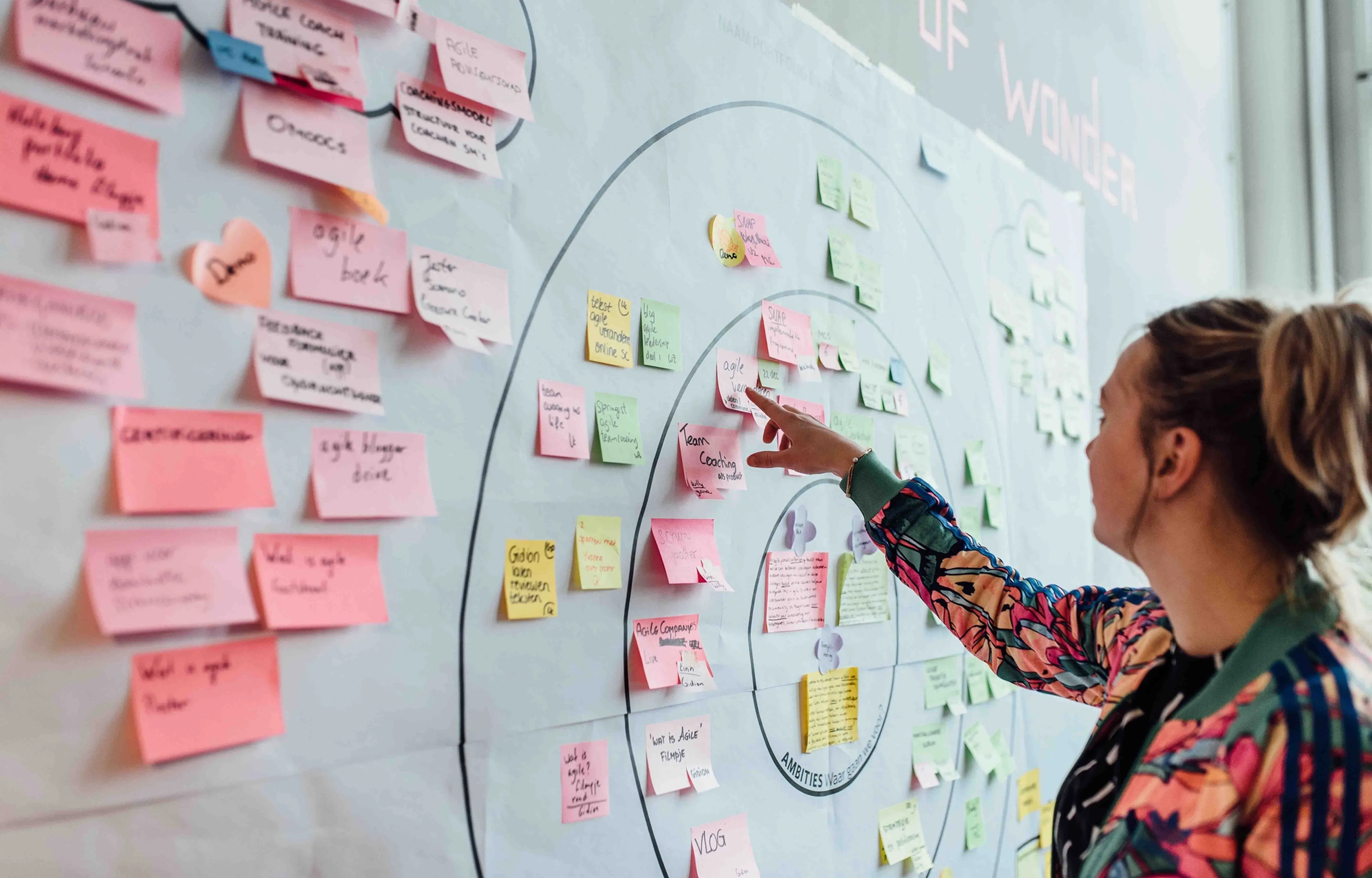
Raw observations organised into patterns. Affinity maps built collaboratively from session notes — not constructed alone by the researcher. Themes emerge from the data, not from prior assumptions.

Insights & Recommendations Report
A prioritised findings report with specific, actionable recommendations. Findings mapped to product decisions — not a general summary of "what we heard". Structured for review by product, design, and engineering.

User Personas & Journey Maps
Research-grounded user archetypes and journey maps built from interview data. Not template personas filled with assumptions — actual user mental models, language, and goal hierarchies derived from the sessions.

Design Implications Brief
A one-page brief for the design team: what we learned, what it means for the product structure, and where wireframing should begin. Closes the gap between research output and design input.
UX Research Services For
The common thread: teams who are spending design and engineering time based on assumptions and need evidence before the next sprint.

SaaS Product Teams
You're adding features but adoption is lower than expected. Research identifies what users actually need versus what the roadmap assumed — before another sprint builds the wrong thing.

Teams Before a Redesign
You know the product needs restructuring but you don't know where to start. A UX audit or user interviews give you a prioritised, evidence-based redesign brief before wireframing begins.

B2B Product Companies
B2B users are professionals with specific domain knowledge, limited time, and operational contexts that internal assumptions rarely capture. Research with real B2B users is how you understand what they actually do.

Growth-Stage Startups
You have multiple user segments with different needs. Research separates what each segment actually requires from the noisy consensus that comes from trying to design for everyone at once.

E-Commerce & Marketplace Teams
Your analytics show where users drop off. Research shows you why. Usability testing on checkout flows, product discovery, and account management turns data into fixable design problems.

Design Managers Without In-House Research
Your team designs without user evidence. Research gives them a foundation — so design decisions are defended by data, not just instinct, and stakeholder debates about what users want have an answer.
Research That Connects Directly to Design
Most research firms hand you a report. We hand you findings and the design direction to act on them — because our research team works alongside our design team.

Research-to-Design Continuity
When research and design are in the same team, findings go directly into wireframes — not through a handover document that loses nuance in translation. Our research team works alongside our design team.

Fast Turnarounds for Agile Teams
Research is only valuable if it's synthesised fast enough to influence the next decision. We run synthesis concurrently with sessions — so findings are ready when the last session closes.



B2B Product Specialism
B2B research requires recruiting professionals, not consumers. It requires moderation that respects domain expertise. We know how to run sessions with SaaS users, enterprise teams, and operational staff.

Actionable, Not Academic
Every research finding is mapped to a specific design decision — not left as a general observation. The output of our research is a brief your wireframing team can act on immediately.

Subscription Model Flexibility
Scale research up for a major release, pause between discovery phases. No long contracts, no agency lock-in, fixed predictable monthly investment.

Figma-Native Deliverables
Findings, personas, affinity maps, and design recommendations delivered directly in Figma — where your designers and developers already work.

Research Works Best Alongside These



Frequently Asked Questions
A UX research engagement can include user interviews, contextual inquiry, usability testing (moderated or unmoderated), UX audits of existing products, card sorting and tree testing for information architecture, survey design and analysis, and synthesis reports with prioritised recommendations. Scope is agreed at kickoff based on the research questions that need answering.
UX research is most valuable before major design decisions — before wireframing a new product, before a redesign of an existing one, and before committing to a feature that hasn't been validated with real users. Research after launch is also valuable: usability testing on a live product identifies friction that analytics data shows but cannot explain.
A UX audit is a structured expert review of an existing product against established usability principles, interaction design conventions, and the specific goals of your users. It produces a prioritised list of issues — from critical blockers to minor friction points — with recommendations for each. A UX audit gives you a research-grounded redesign brief without requiring participant recruitment.
For qualitative usability testing, five to eight participants per user segment typically surfaces the majority of significant usability problems. We recruit participants matching your target user profile and run sessions that are recorded, transcribed, and synthesised into findings. For quantitative research — preference testing, benchmark studies — larger sample sizes apply.
Both, depending on what the research questions require. Moderated testing allows the researcher to probe the "why" behind user behaviour — useful when you need to understand mental models, not just identify where users fail. Unmoderated testing runs faster and at scale — useful for testing specific hypotheses or validating changes after a moderated round.
Research findings feed directly into design decisions. User interviews inform information architecture and the priority of features. Usability testing on wireframes catches structural problems before visual design is applied. UX audits provide the redesign brief. In our process, research precedes structure — which precedes visual design.
Yes. B2B research requires different recruitment and different session design — users are professionals with specific domain knowledge, limited availability, and operational contexts that consumer research methods don't account for. We have experience recruiting and interviewing B2B users across SaaS, fintech, healthcare, logistics, and enterprise platforms.


Let's Connect.

Let's Connect.
Let's Connect.
Let's Connect.